How Much Should You Be Able to Power Clean? - Athlete Strength Standards and Benchmarks
by Ivan Escott
Mar 31, 2026
•7 minutes
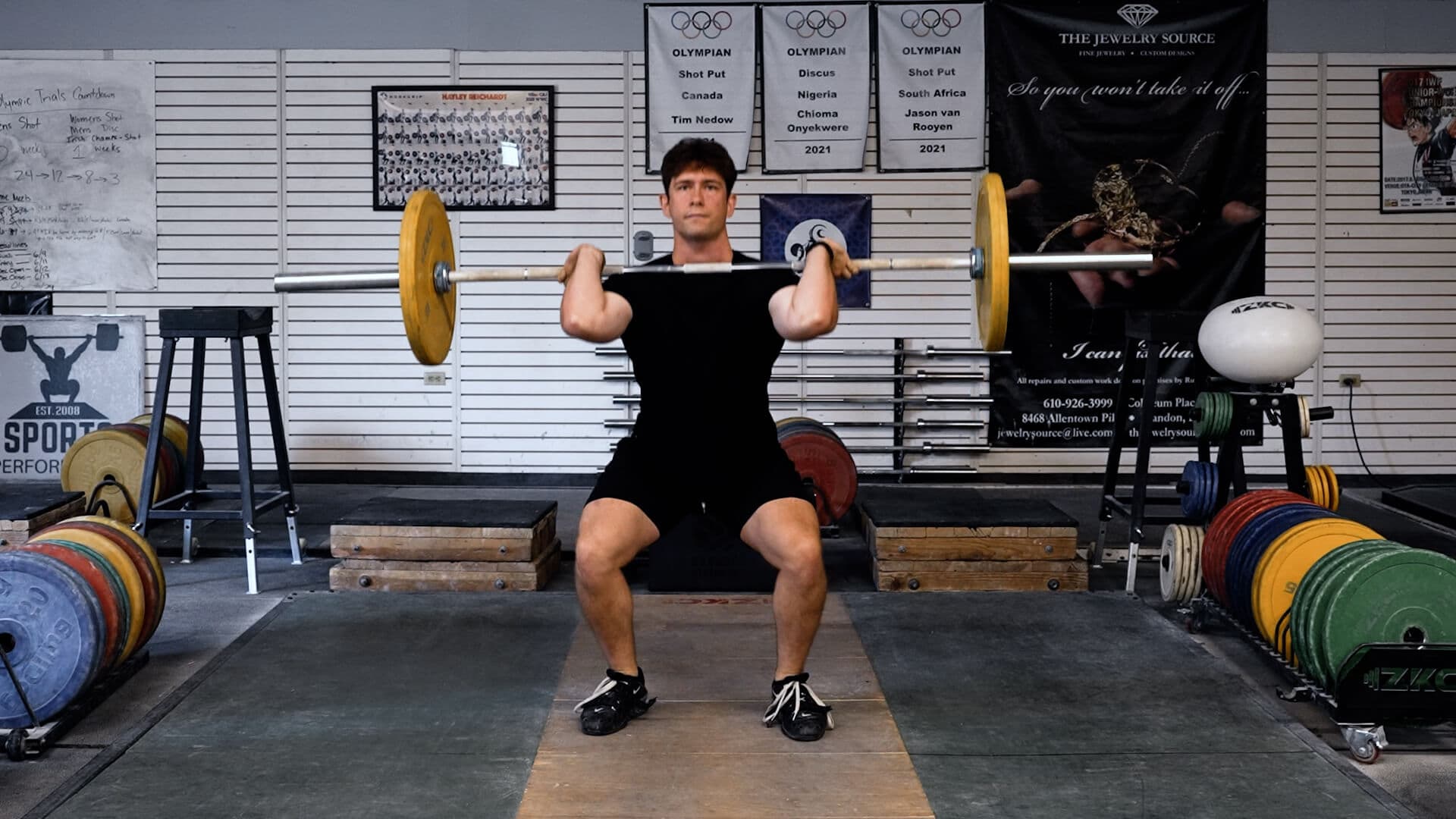
The power clean is one of the most effective lifts for developing explosive strength, speed, and total-body athleticism. Primarily used in Olympic weightlifting, football programs, and competitive fitness settings like CrossFit, it has become a gold standard for measuring power output.
But the question remains: how much should you be able to power clean?
The answer depends on age, training experience, sport demands, and technical proficiency. Below, our team at Peak Strength is going to break down realistic strength standards by age, sport, and gender for athletes.
Why the Power Clean Is a True Athletic Benchmark
Unlike absolute strength lifts such as squats or deadlifts, the power clean tests the rate of force development (RFP). RFP is how quickly you can generate force. In many sports, that’s what matters most, to react faster and out perform competitors.
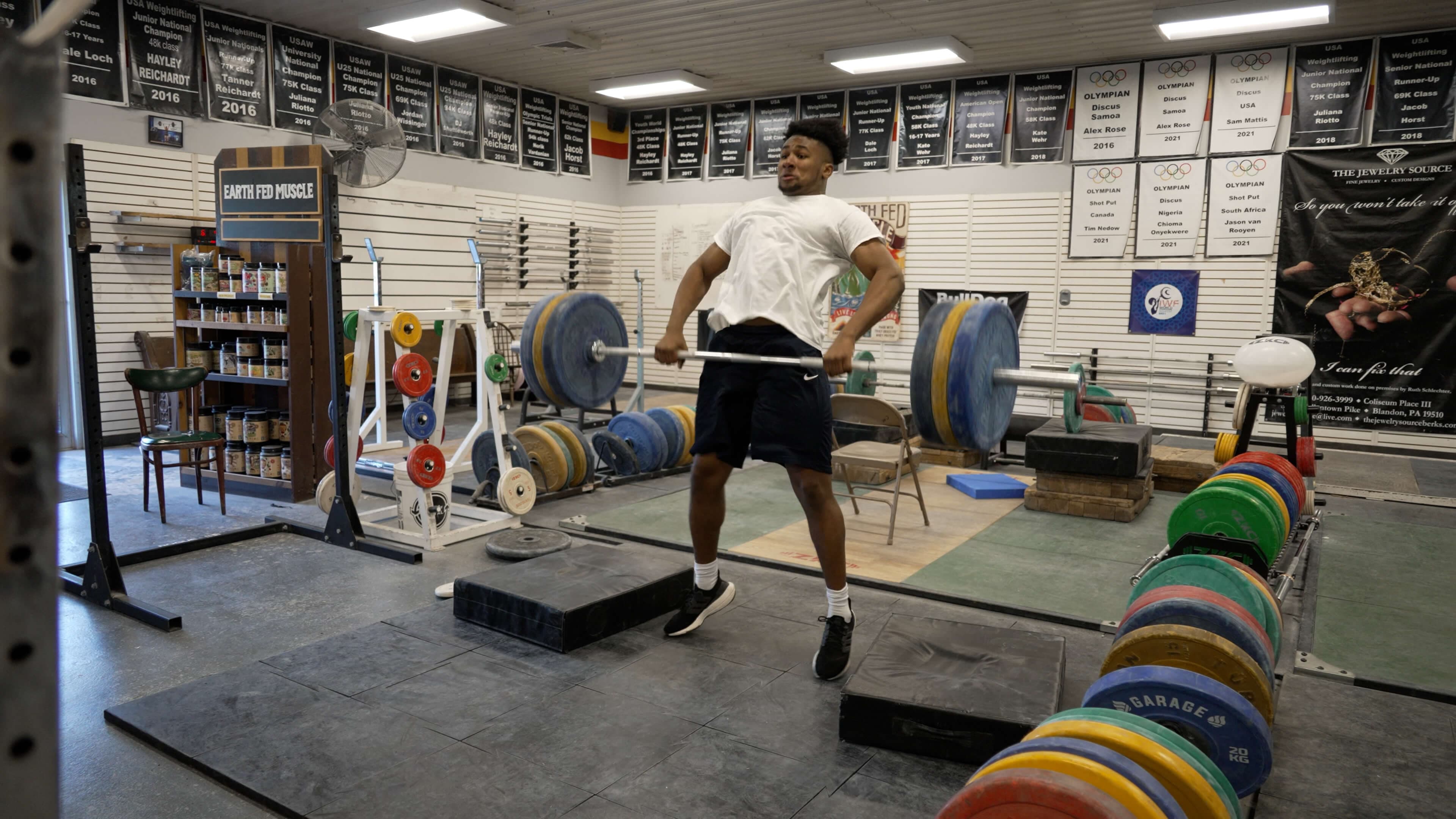
Explosiveness has direct effects on:
Vertical jump height
Change-of-direction speed
Tackling and contact power
Throwing and striking velocity
The power clean is an Olympic lift that trains triple extension (hips, knees, and ankles extending simultaneously), which mirrors sprinting and jumping mechanics. That’s why coaches use it as a performance metric rather than just a strength test.
Additional Benchmarks
Power Clean Benchmarks by Sport, Level, and Gender
Power clean performance varies widely based on your sport, position, and training background. Below are detailed benchmarks for power cleans, separated by major sport categories, with experience scales from middle school to post-collegiate. Use the benchmarks below to see if you are above, in line, or below the average power clean strength levels for your age range.
These strength standards and training progress calendar have been determined based on the Garage Strength athlete testing system. Garage Strength has been specializing in sports performance training and developing elite athletes, national champions, and Olympians for over 15 years.
The onsite facility of Garage Strength engages in regular testing weeks every 3 months throughout the year to monitor athlete progress. Peak Strength’s training plans are based on the training system developed by Dane Miller, head coach and owner of Garage Strength Sports Performance.
NOTE: These strength benchmarks are not absolutes. A lot of good athletes can compete at a high level without having hit the benchmarks listed at the collegiate or post collegiate level. It is just a general guideline for prospective athletes to understand what numbers they should aim for to have the physical ability to compete at certain levels.
Sport Depth 1 Power Clean Strength Standards
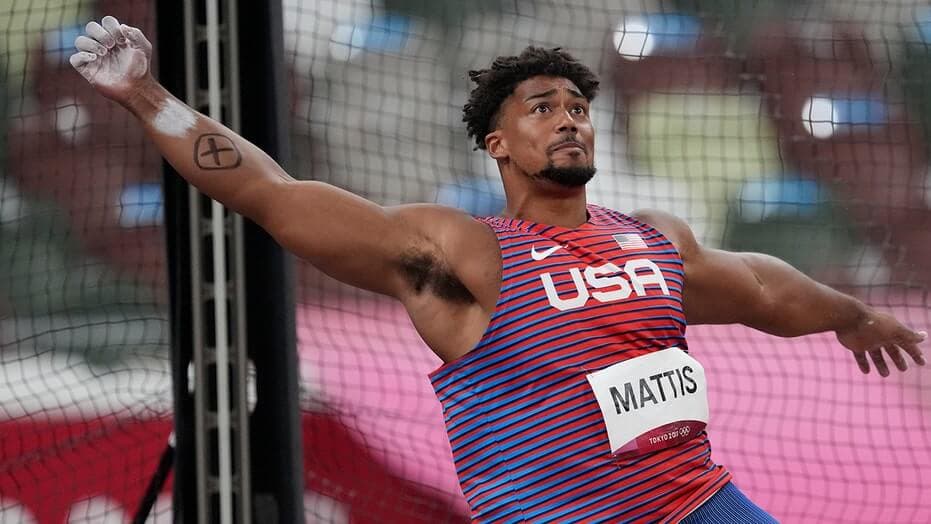
Sports included: shot put, discus, hammer, Olympic weightlifting, powerlifting, and hockey goalies.
Sport Depth 1, centered on strength and power athletes, applies to sports that demand high levels of absolute strength and, when weight classes are present, strong relative strength as well. Traditional speed plays a smaller role, since most actions occur within a confined and controlled environment. These athletes are typically large, powerful, and able to generate rapid, explosive movements in an instant.
Men
Middle School: 95 - 135 lbs
High School: 225 - 255 lbs
Collegiate: 255 - 275 lbs
Post-collegiate: 300+ lbs
Women
Middle School: 55 - 95 lbs
High School: 135 - 155 lbs
Collegiate: 160 - 185 lbs
Post-collegiate: 200+ lbs
Sport Depth 2 Power Clean Strength Standards
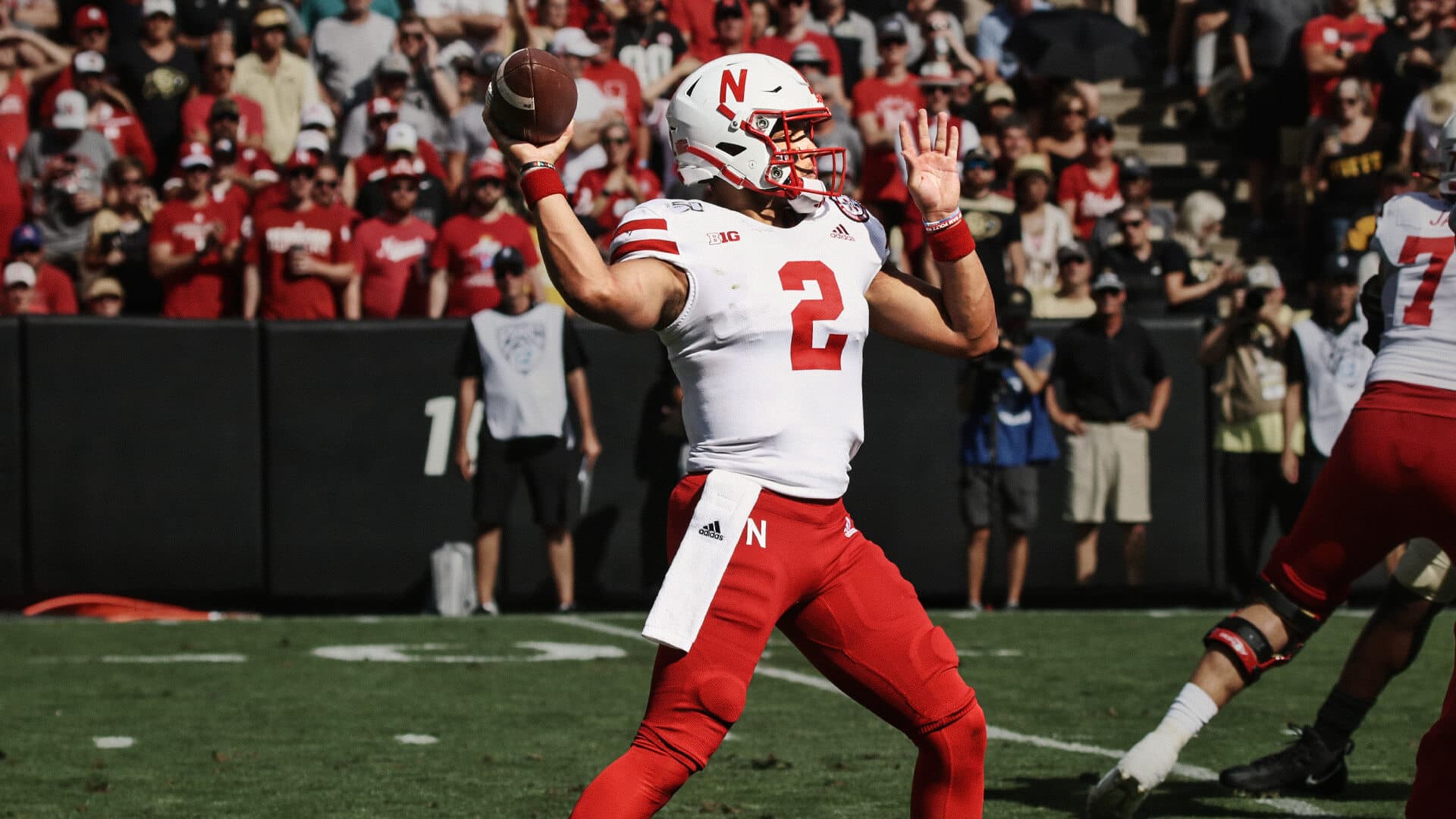
Sports included: rugby, football, ice hockey, cricket, baseball/softball, badminton, golf, track & field (jumps and sprints), gymnastics. cheer/dance, and sprint cycling.
Sport Depth 2, focused on speed and power, is defined by explosive performance. Athletes in this category must move heavy loads quickly and repeatedly. Their performance is built on continuous bursts of effort, involving rapid acceleration, frequent changes in direction, and occasional use of maximal top-end speed.
Men
Middle School: 95 - 235 lbs
High School: 175 - 205 lbs
Collegiate: 210 - 275
Post-collegiate: 275+ lbs
Women
Middle School: 55 - 95 lbs
High School: 115 - 135 lbs
Collegiate: 130 - 165 lbs
Post-collegiate: 170+ lbs
Sport Depth 3 Power Clean Strength Standards
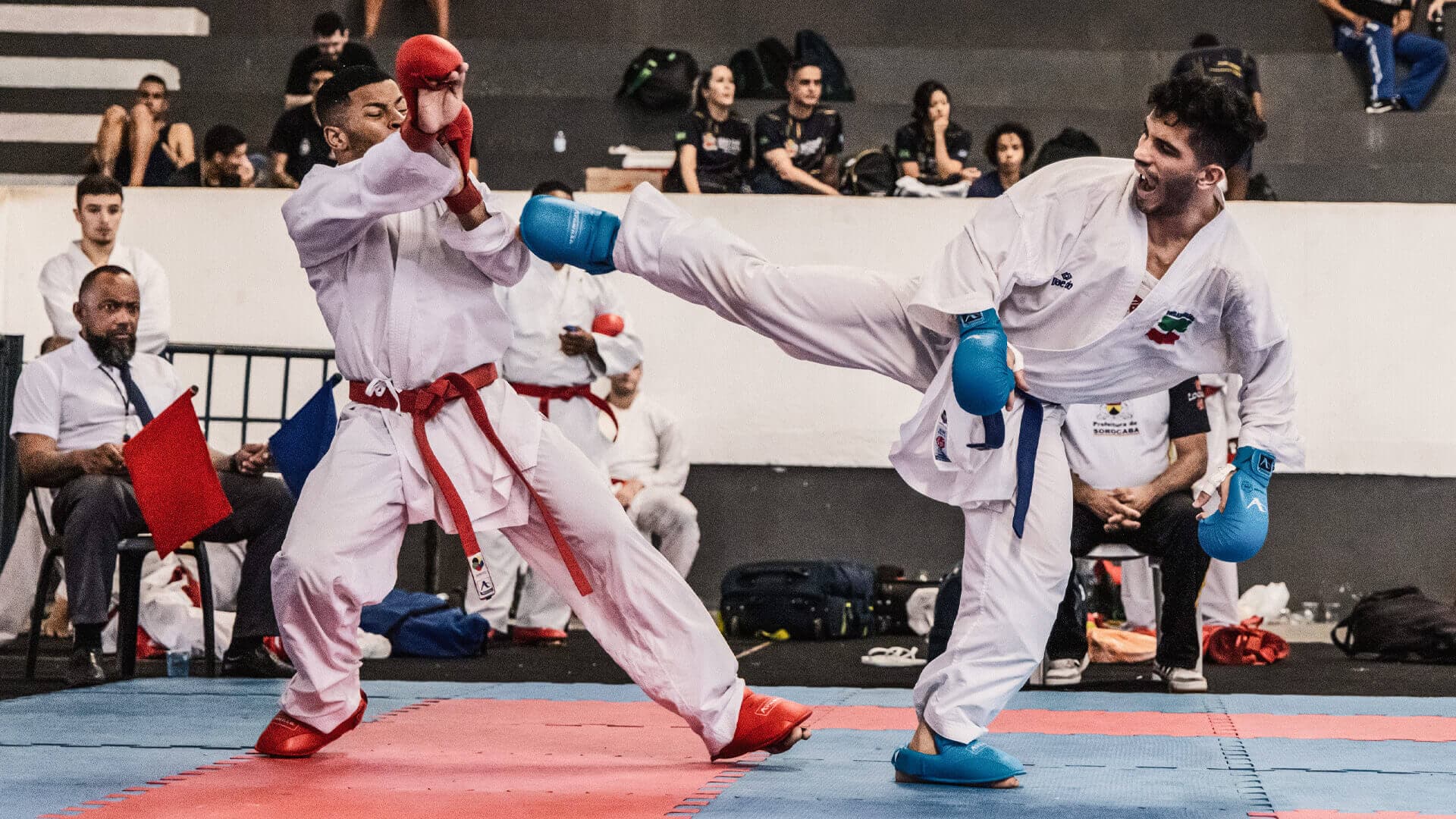
Sports included: wrestling, BJJ, MMA, judo, karate, climbing, canoe/kayak, and rowing
Sport Depth 3, centered on strength endurance, exists in a high-intensity environment where athletes are pushed to their limits by accumulating fatigue. While strength and explosiveness remain essential, they must be sustained over demanding efforts that require resilience, grit, and the ability to push through discomfort. These athletes operate in a constant state of strain, relying on mental toughness developed through challenge, hardship, and persistence.
Men
Middle School: 95 - 135 lbs
High School: 185 - 205 lbs
Collegiate: 225 - 285 lbs
Post-collegiate: 290+ lbs
Women
Middle School: 55 - 95 lbs
High School: 105 - 120 lbs
Collegiate: 120 - 145 lbs
Post-collegiate: 150+ lbs
Sport Depth 4 Power Clean Strength Standards
.jpg&w=3840&q=75)
Sports included: soccer, skiing/snowboarding, field hockey, lacrosse, basketball, water polo, handball, tennis, swimming, figure skating, ultimate frisbee
Sport Depth 4, focused on continuously moving athletes, emphasizes speed alongside frequent deceleration, directional changes, and nonstop activity. These sports demand constant awareness and readiness, with little opportunity to pause between moments of action. Athletes in this category are typically lean and resilient, combining a strong aerobic engine with relative strength and quick, elastic movement ability.
Men
Middle School: 85 - 105 lbs
High School: 105 - 135 lbs
Collegiate: 165 - 200 lbs
Post-collegiate: 225+ lbs
Women
Middle School: 55 - 75 lbs
High School: 90 - 110 lbs
Collegiate: 110 - 150 lbs
Post-collegiate: 155+ lbs
Sport Depth 5 Power Clean Strength Standards
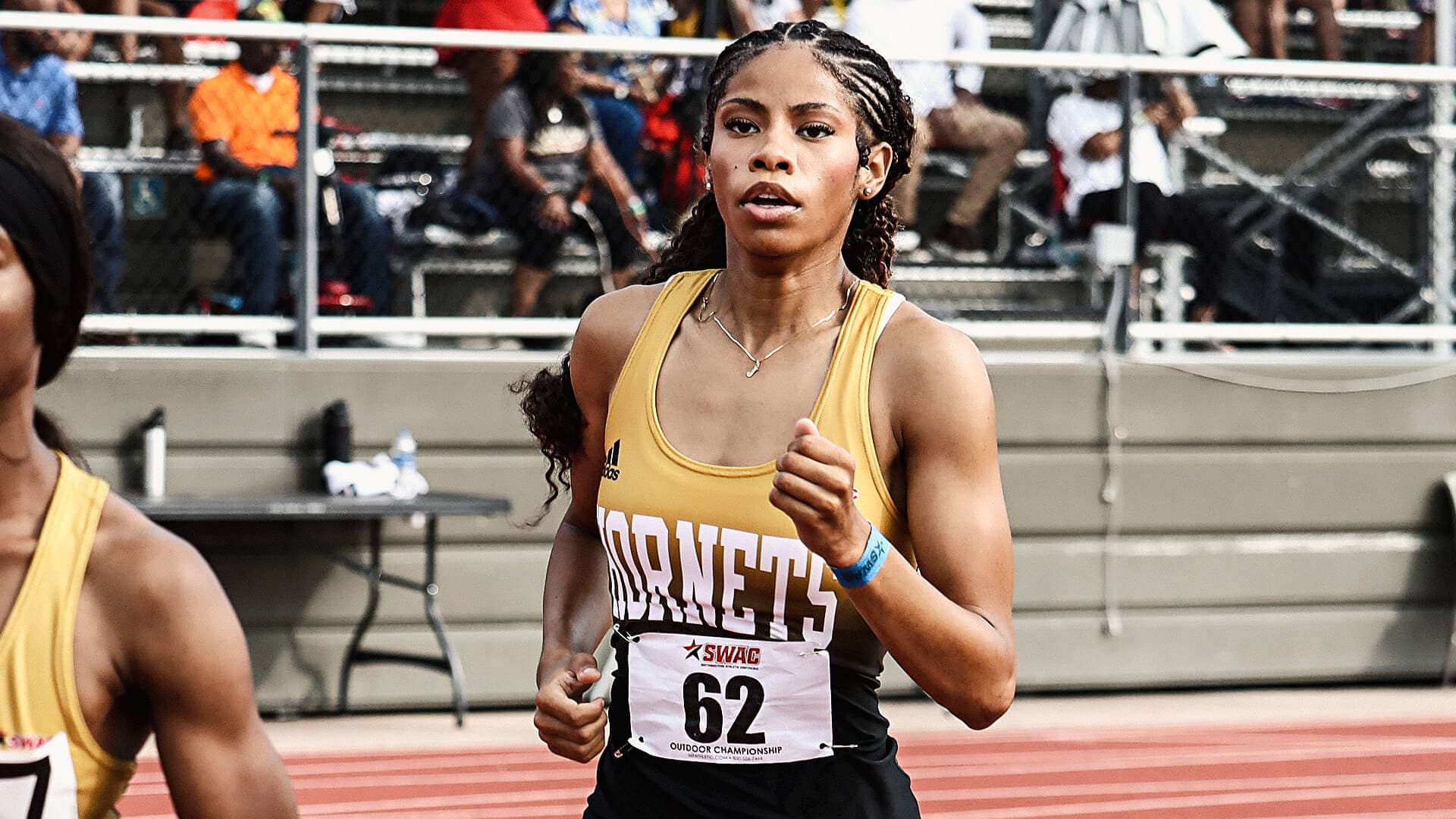
Sports included: cross country, distance cycling, marathon, triathlon, cross country skiing, track & field (distance events)
Sport Depth 5 encompasses athletes who perform over long distances. Competitors in this category rely on their sport itself as their primary form of endurance training. Despite this, they still gain value from incorporating strength, speed, and explosive work like other athletes, with the main difference being how these elements are adjusted in intensity and volume to best support performance.
Men
Middle School: 75 - 95 lbs
High School: 100 - 135 lbs
Collegiate: 135 - 185 lbs
Post-collegiate: 190+ lbs
Women
Middle School: 55 - 75 lbs
High School: 90 - 110 lbs
Collegiate: 110 - 135 lbs
Post-collegiate: 140+ lbs
Beginner Progression for Power Cleans
Using a dowel rod for this clean progression makes it accessible for any age from 5 to 55+. Additional clean progressions can be found inside the Peak Strength App, and they are designed to help athletes move towards heavier clean movements for intermediate and advanced training.
.jpg&w=3840&q=75)
How to Increase Your Power Clean
Increasing your performance in the power clean includes focusing on strengthening the core and posterior chain.
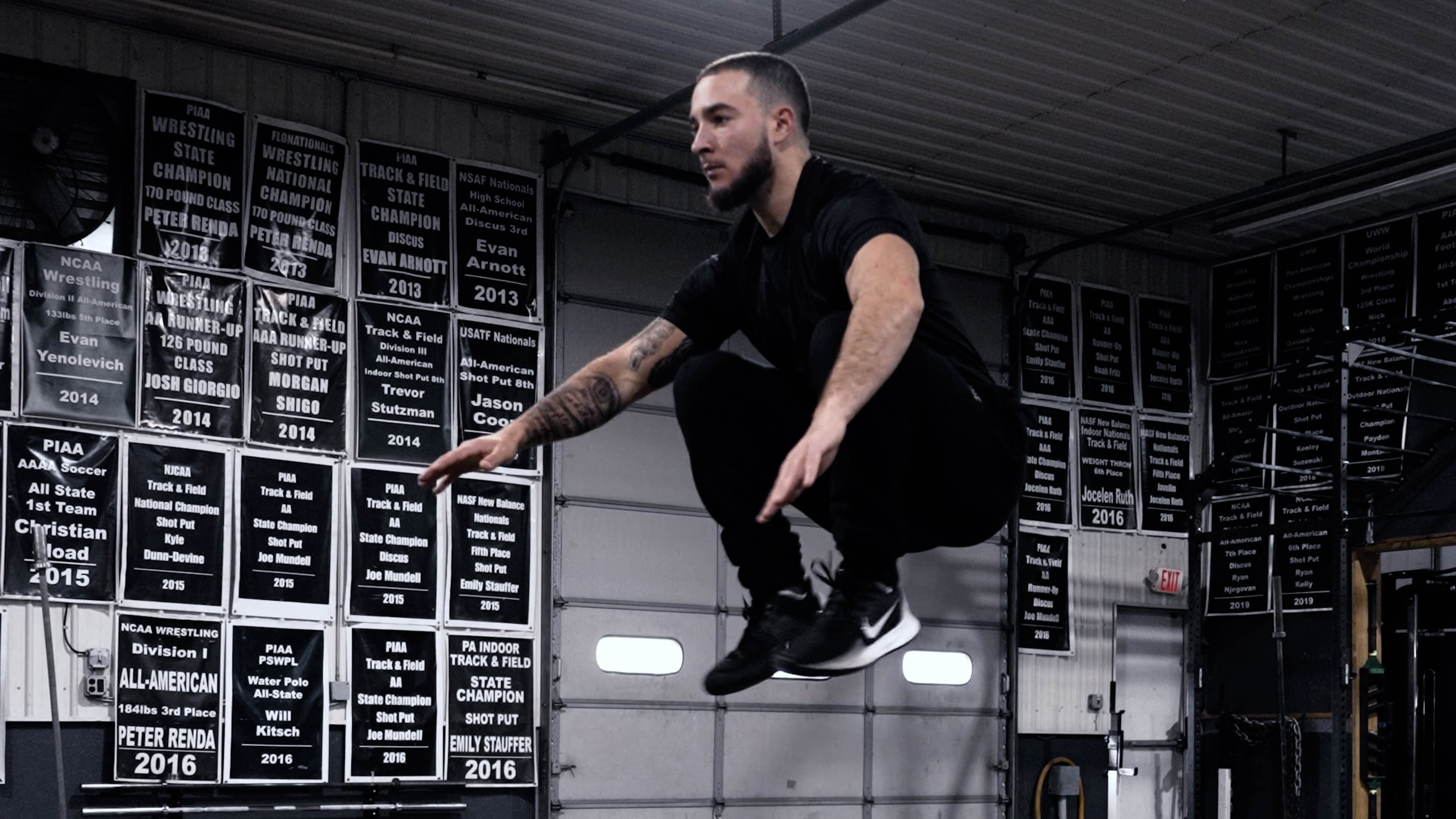
Although some athletes may muscle power cleans with their arms and upper body, the focus of the power clean should be on developing lower body impulse:
Exercises for Improving Power Clean Technique
Clean pulls
Clean high pulls
Front rack holds
Weeks turnover drill
Exercise to Build Strength for Power Cleans
Front squats
Romanian deadlifts
Paused squats
V Ups
Reverse Hypers
Exercises to Improve RFP
Snatch
DB squat jumps
Vertical jump
Broad jumps
Hurdle hops
Tuck jumps
Final Takeaway
Power cleans are applicable to all athletes to help develop explosive adaptations. Although they require good coordination in order to perform effectively, they are a great tool for improving full body explosiveness that can be easily translated into sports.
The power clean is a great way to add resistance to vertical force production. Improving and getting stronger in the power clean will lead to better explosive power, core strength, and fast twitch adaptations.
Especially as it becomes a bigger staple in the world of sports performance and athletic development, using training plans that incorporate the power clean consistently will set athletes up for success long term. Peak Strength incorporates power cleans and other dynamic movements in most training plans to support athletes at every level. Start your 7 day trial of Peak Strength below or by downloading the app directly from the Apple IOS / Google Play store.
Ivan Escott
Ivan is a national-level Olympic weightlifter and performance coach at Garage Strength Sports Performance.
Related Articles
Sports
How High Should You Be Able to Jump? - Athlete & Sport Benchmarks
Jan 9, 2026 • 12 minutes
Sports
Best 4-Day Workout Split for Athletes: Strength, Explosiveness, Speed, & Hypertrophy
Jan 6, 2026 • 6 minutes
Sports
How Much Should You Be Able to Bench Press? - Athlete Strength Standards
Nov 1, 2025 • 12 minutes